
Injury Prevention Tips from Melbourne CBD’s Sports Chiropractor
Training for the Melbourne Marathon? Whether you’re tackling the half or full distance, choosing the right running shoes is essential for injury prevention and performance. At Shannon Clinic, our sports chiropractors in Melbourne CBD help runners avoid common issues like shin splints, plantar fasciitis, and stress fractures, often caused by poor footwear choices.
Injury Pitfalls
One of the most common injury pitfalls we see in runners, particularly those new to running is poor training load management. The classic presentations we see are:
- Runners coming off a low or zero mileage base and then ramping up their miles too quickly.
- Runners who have been injured, sick, on holidays (ie. have had a training break for multiple weeks) and then return to their pre-break training levels.
- Runners who set a goal (ie. half or full marathon) with a training program that is too condensed.
To mitigate injury risks in running, managing training loads is extremely important as this allows the bodies tissues to adapt to the new physical loads being placed on it. Push too and hard too fast and those tissues do not have enough time to adapt to those loads. This leads to tissue break down which can commonly occur in the form of tendon and bone pain in runners. A part of this load management process is to monitor how many miles your shoes have done as they a finite life span before they need to be replaced.
👉 How the sports chiropractor Melbourne at the Shannon Clinic uses the evidence to assess, manage and treat running injuries.
Understanding Your Foot Type for Optimal Shoe Selection
A proper foot assessment categorizes runners into one of four types, each requiring specific shoe features to support natural movement and prevent injuries:
Neutral: Balanced foot motion with a slight inward roll (pronation). Most runners (neutral to mild overpronators) fall here.
Mild Overpronator: Mildly flat arch, causing slight inward roll of the ankle/foot.
Severe Overpronator: Flat feet with no arch, leading to excessive inward roll.
Supinator (Underpronator): High arches with minimal or no inward roll.
Identifying your foot type can be performed through a foot and gait analysis at a Melbourne running store or sports clinic— this ensures you choose shoes that provide the right stability, cushioning, or motion control. Most runners are neutral to mild overpronators, making versatile shoes a popular choice.
Top Running Shoes for the Melbourne Marathon by Foot Type
Here’s a curated list of 2026 running shoes from leading brands, tailored to each foot type, to help you conquer the Melbourne Marathon:
Neutral to Mild Overpronator
ASICS Gel-Kayano 33: A premium stability shoe with GEL cushioning and Dynamic DuoMax support, ideal for neutral to mild overpronators. Perfect for long-distance training (lasts ~500–600 km).
Nike React Infinity Run Flyknit 4: Offers plush React foam and a rocker shape for smooth transitions, great for neutral runners seeking comfort.
Brooks Ghost 18: Known for its balanced cushioning and versatility, this shoe suits neutral runners and mild overpronators tackling marathon training.
Severe Overpronator
ASICS Gel-Evolution 7: Designed for flat feet, it provides maximum motion control and arch support to correct excessive pronation.
Hoka Arahi 9: Lightweight with J-Frame technology, this stability shoe prevents overpronation while maintaining a cushioned ride.
Brooks Adrenaline GTS 25: Combines GuideRails technology with responsive cushioning, ideal for severe overpronators needing structure.
Supinator (High Arches)
ASICS Gel-Nimbus 28: A cushioned shoe with PureGEL technology, offering shock absorption for supinators with high arches.
Nike ZoomX Invincible Run Flyknit 3: Features ultra-responsive ZoomX foam, providing ample cushioning for underpronators.
Hoka Clifton 11: Lightweight and highly cushioned, it supports high-arched runners with a neutral platform and meta-rocker design.
Why Shoe Lifespan Matters for Marathon Training
Even if your shoes look new, their internal stability, structure, and shock absorption degrade after a certain distance. For example:
ASICS Gel-Kayano 33: Effective for ~500–600 km.
Nike React Infinity Run 4: Lasts ~400–500 km.
Brooks Ghost 18: Typically durable for ~500–600 km.
During Melbourne Marathon training, you may log 600–700 km, so replacing shoes mid-season is critical. A smart strategy is to buy two pairs:
Rotate pairs every few runs to extend lifespan and reduce wear.
OR Use a training pair (e.g., ASICS Gel-Kayano) and a race-day pair (e.g., ASICS DS Trainer 19 or Nike Vaporfly 3 for speed).
For amateur runners or those running for fun, the ASICS Magic Speed 5 is a lightweight, snappy race-day option, while the Nike Vaporfly 4 offers a competitive edge with its carbon plate. For runners looking to build foot strength and develop a more traditional barefoot style of running we recommend a progressive transition training program over 3-6 months utilizing minimal shoes such as Altras.
Tips for Choosing Marathon Running Shoes
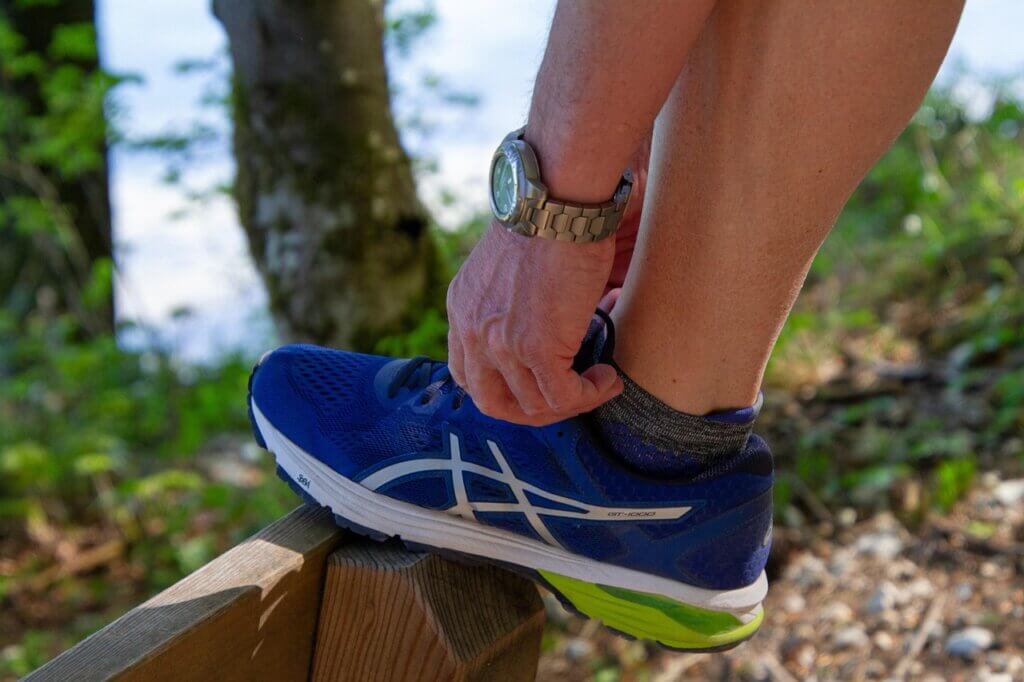
Visit a Melbourne Running Store or Melbourne Sports Clinic: Get a professional gait analysis to confirm your foot type and try on multiple brands.
Prioritize Comfort: Invest in a couple of pairs of good running socks and ensure a snug fit with enough toe room to prevent blisters during long runs.
Replace Shoes Timely: Track your mileage using apps like Strava or Nike Run Club to know when to replace your shoes.
Test for Race Day: Break in your race-day shoes during training to avoid surprises.
Run Strong in the Melbourne Marathon
Investing in the right running shoes tailored to your foot type is key to a successful and injury-free Melbourne Marathon. Whether you choose the reliable ASICS Gel-Kayano, cushioned Hoka Clifton, or speedy Nike Vaporfly, prioritize fit and durability.
Recovery and Injury Support
Recovery is often an after thought for training and race day and something many runners skip all together. It should start with re-hydration and refuelling which are extremely important aspects post training or race. We like hypertonic drinks such as Gatorade for replenishing carbohydrates and electrolytes. However, one of the fastest ways to recover lost electrolytes, carbohydrates and protein is through milk based products, like a chocolate milk drink. Additional strategies we employ to help our athletes recovery faster are ice baths post aerobic training, stretching and foam rolling, compression garments and most importantly good quality sleep. If you’re dealing with pain or want to optimize recovery, explore our treatment services or infrared sauna therapy to boost performance.
Managing training loads, building up miles in the legs and hip/leg strength are other key factors in running strong in the Melbourne Marathon. For more assistance or if you are having troubles overcoming a running related injury book an appointment today at our Melbourne CBD clinic for expert advice, and start training with confidence.


